Can we run RapidKiosk software on kiosks we already own?
Yes. RapidKiosk Manager ships organisation-scoped Windows installers, an Android tablet shell, and a host agent, so existing kiosk PCs and tablets can be enrolled with a pairing code and managed alongside new hardware. Licensing is per kiosk per month regardless of who supplied the screen.
Can Trucell supply the hardware without the software, or the software without hardware?
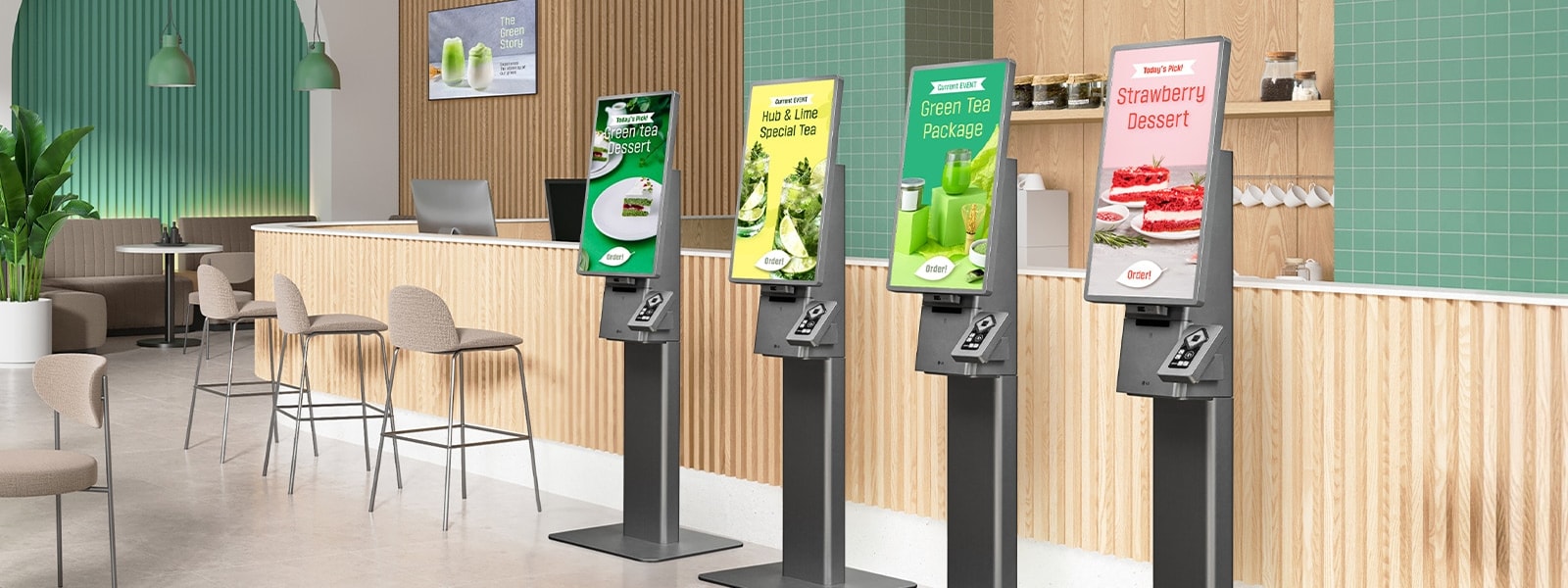
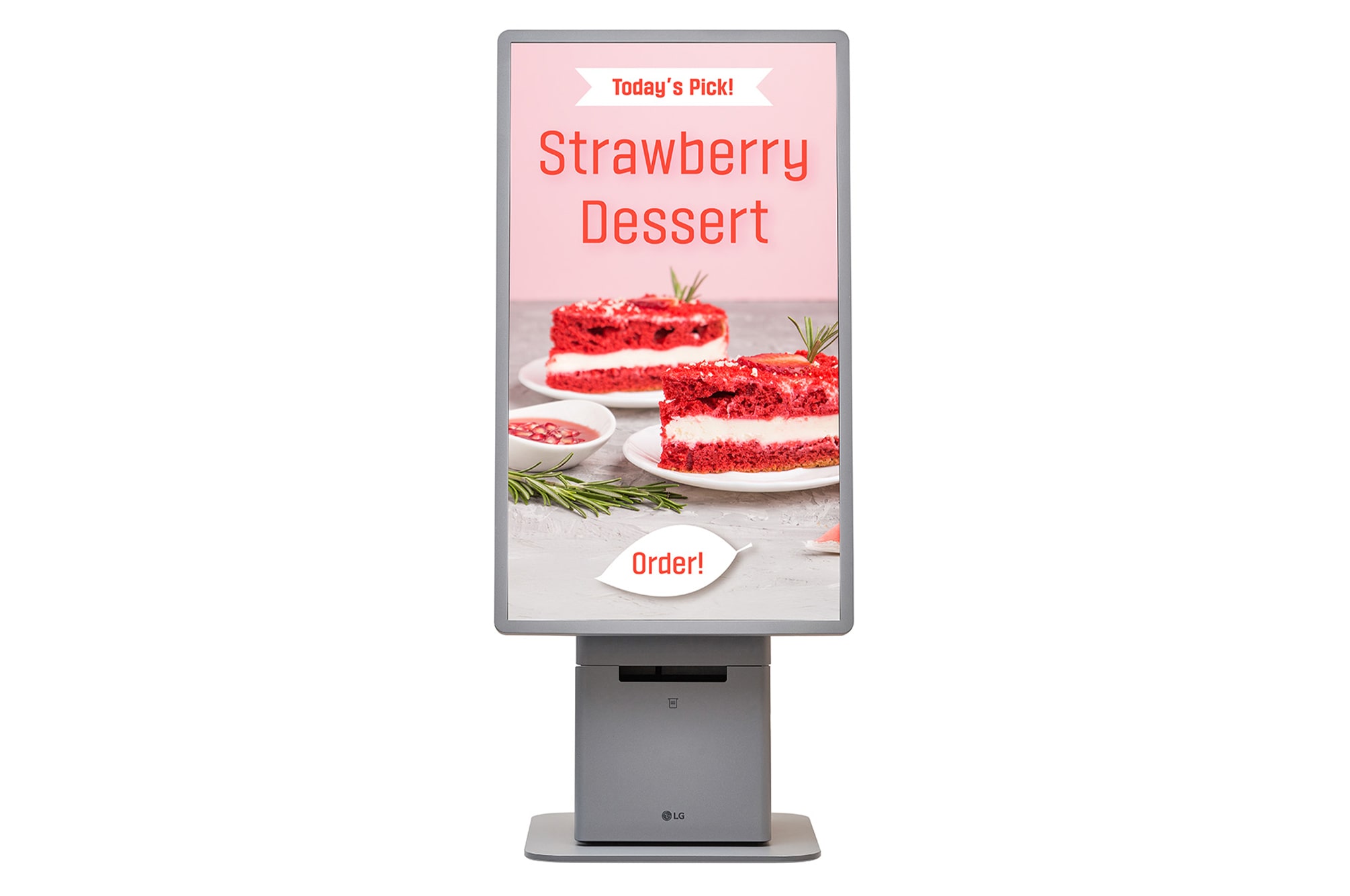
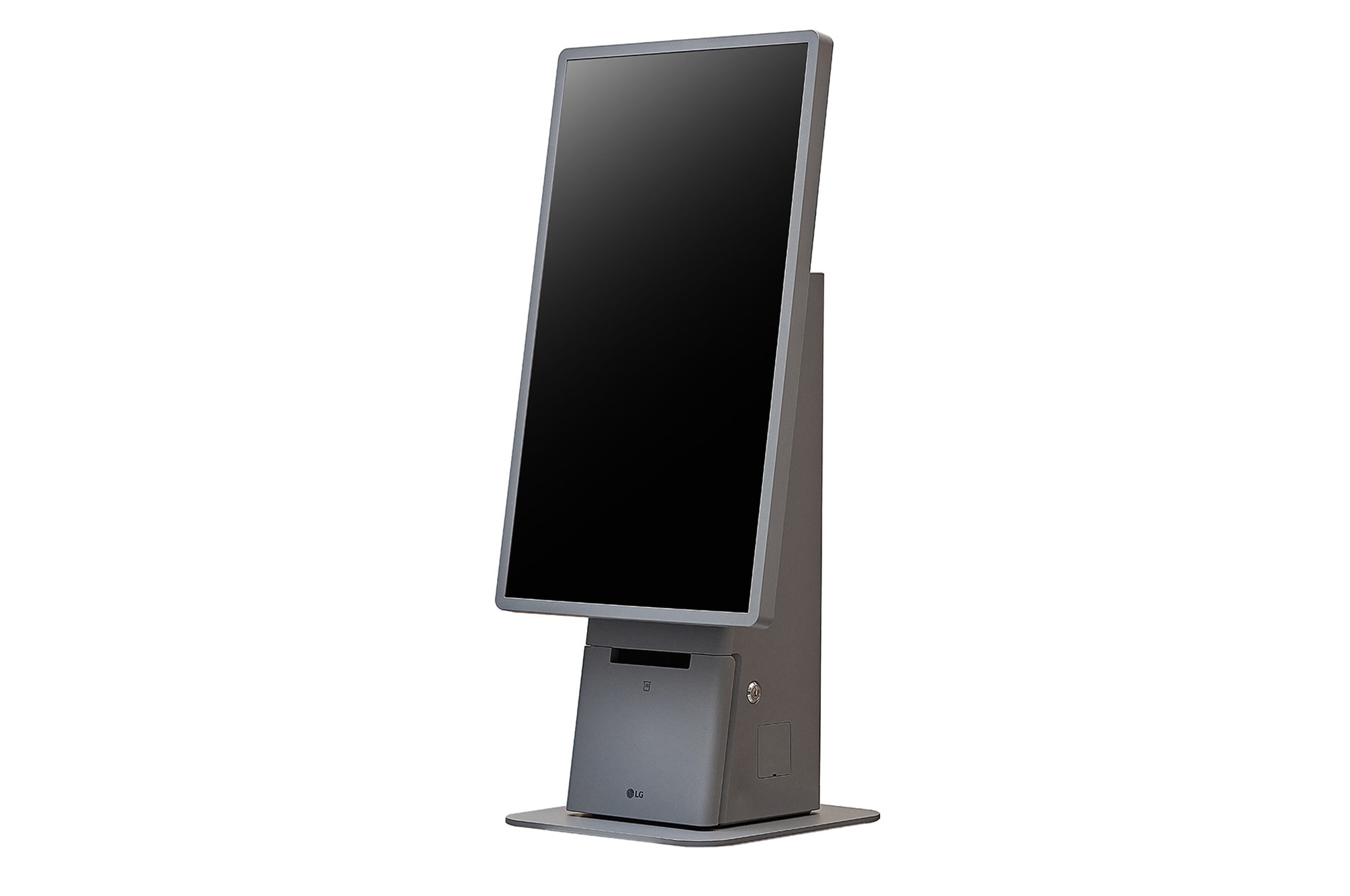
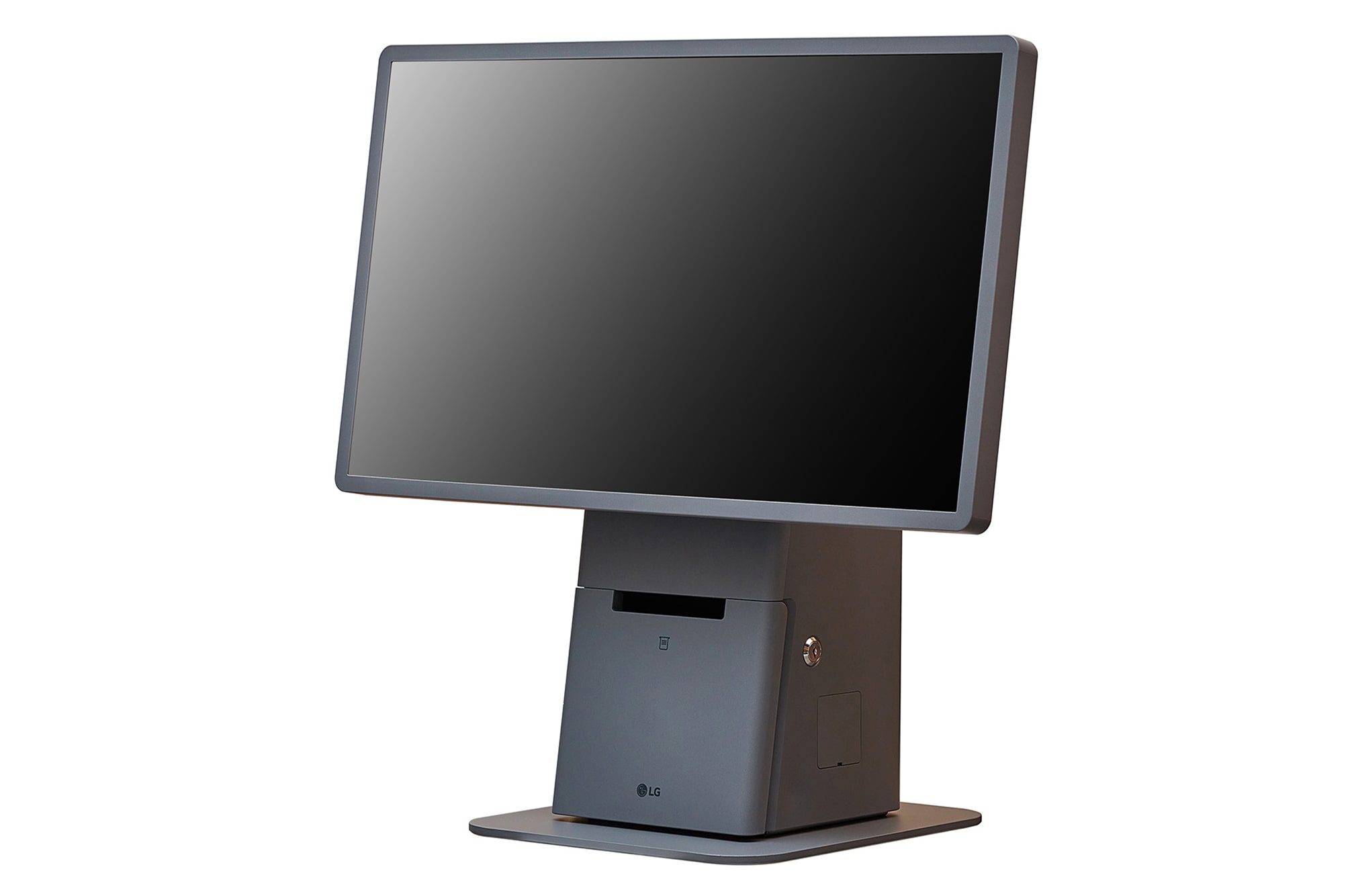
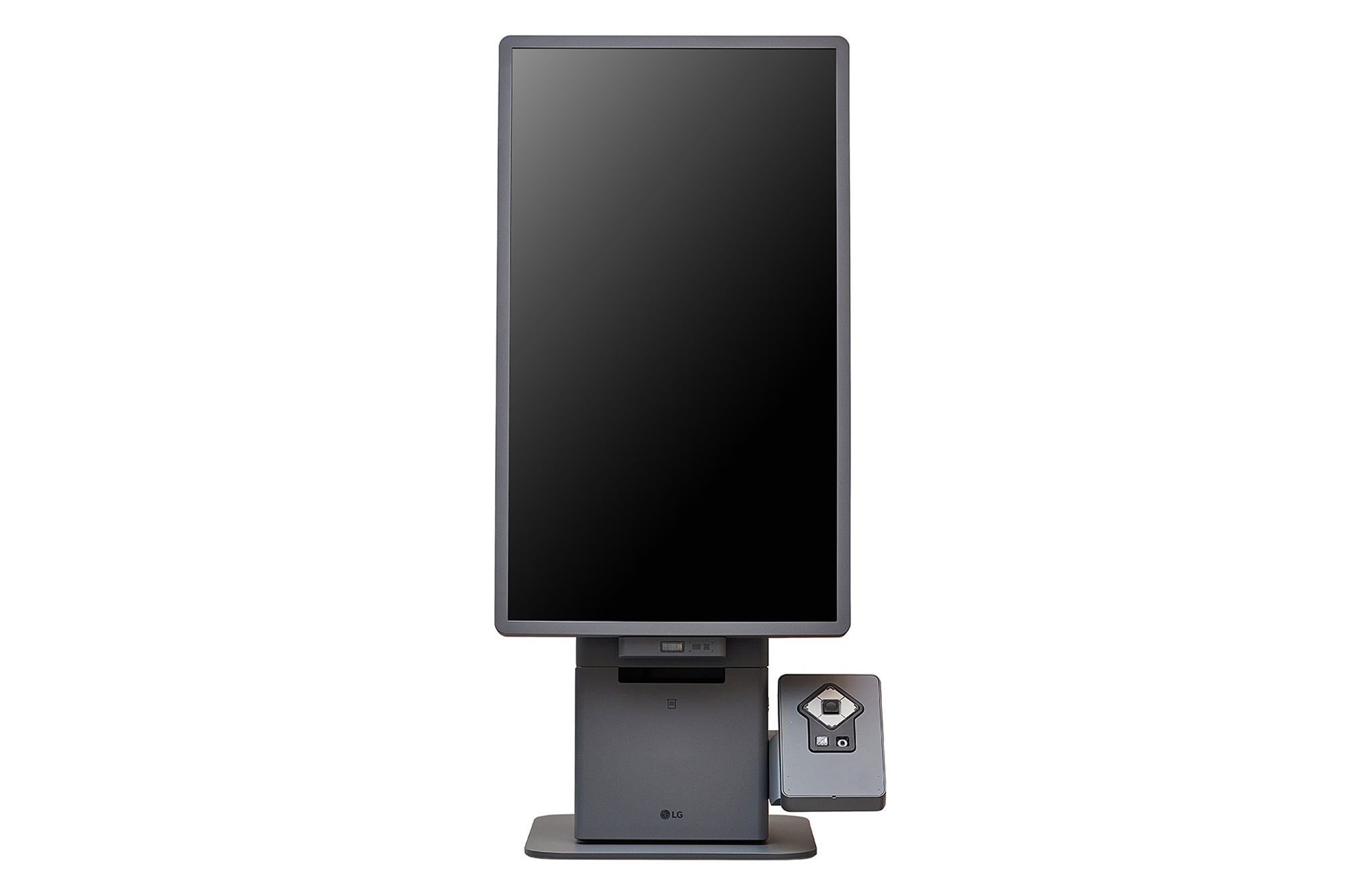
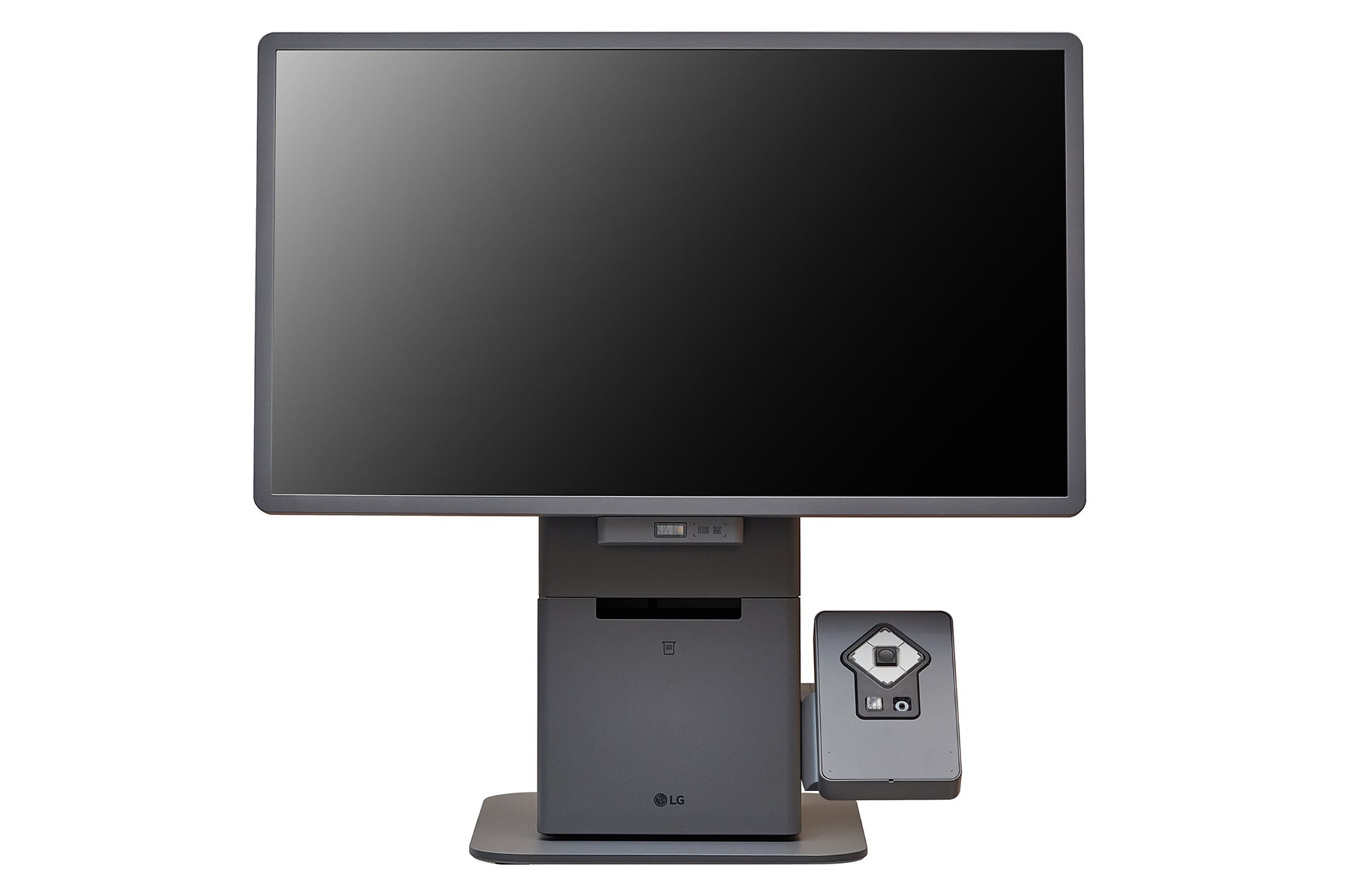
Both. Trucell supplies LG Kiosk & Touch commercial kiosks for Australia and licenses RapidKiosk Manager separately or as one rollout. Most fleets buy them together so design, licensing, installation, and support have a single accountable owner.
What does the free tier actually limit?
Nothing functional. The free tier includes the full platform: Kiosk Designer, publishing, fleet monitoring, and remote tools. Each unlicensed kiosk displays a persistent on-screen trial watermark until a paid subscription covers it, which makes it a genuine evaluation path rather than a crippled demo.
How does self checkout connect to our POS or commerce platform?
Self Checkout mode runs catalog, cart, and tender on the kiosk against your existing systems, with integrations for Lightspeed POS, WooCommerce, SAP, and Dynamics 365 Business Central, plus commerce and search platforms including BigCommerce, Shopify, and Coveo, and Stripe EFTPOS for payments. It is licensed per kiosk and quoted to match your stack and rollout.
Who hosts RapidKiosk Manager and where does our data live?
RapidKiosk Manager is licensed by Trucell and hosted by Ripple Networks in Sydney, Australia. Kiosks authenticate with device tokens issued at pairing, report heartbeats to the platform, and receive published layout profiles and commands from the same console your team logs into.
Do you also do patient check-in kiosks for clinics and imaging practices?
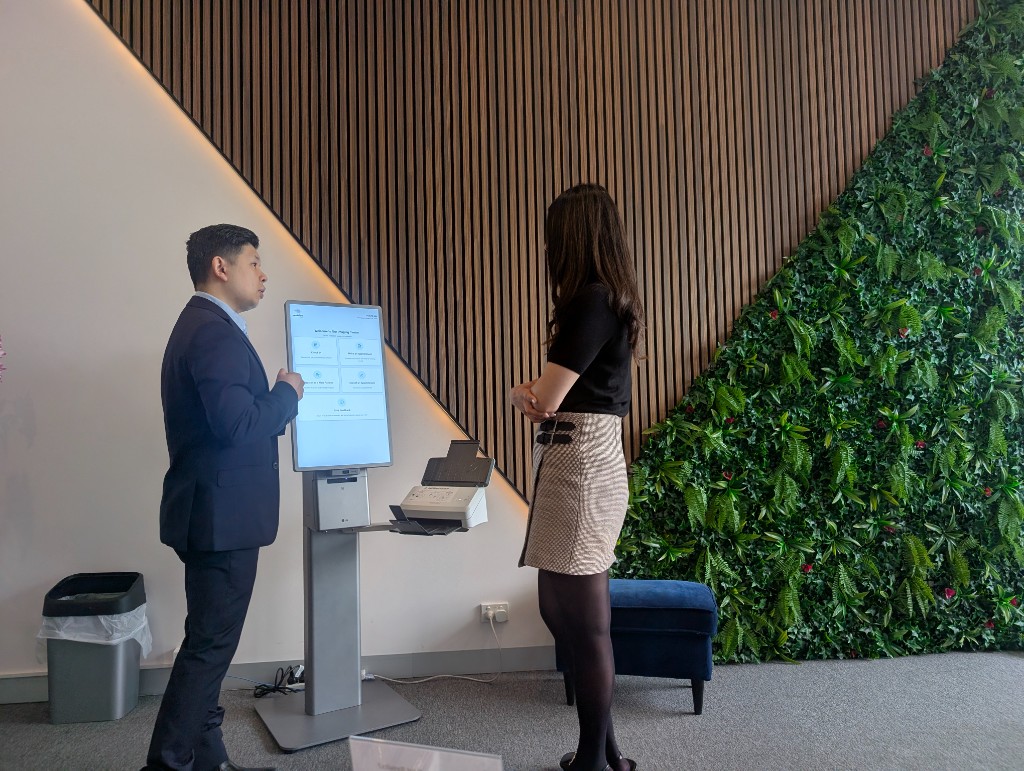
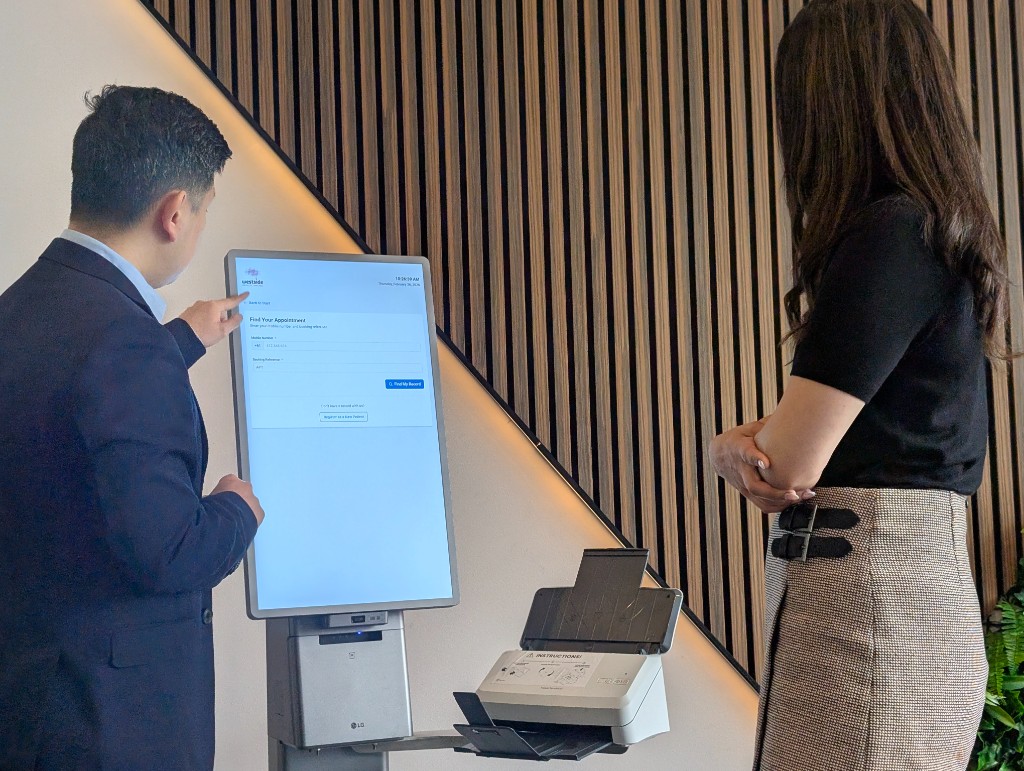
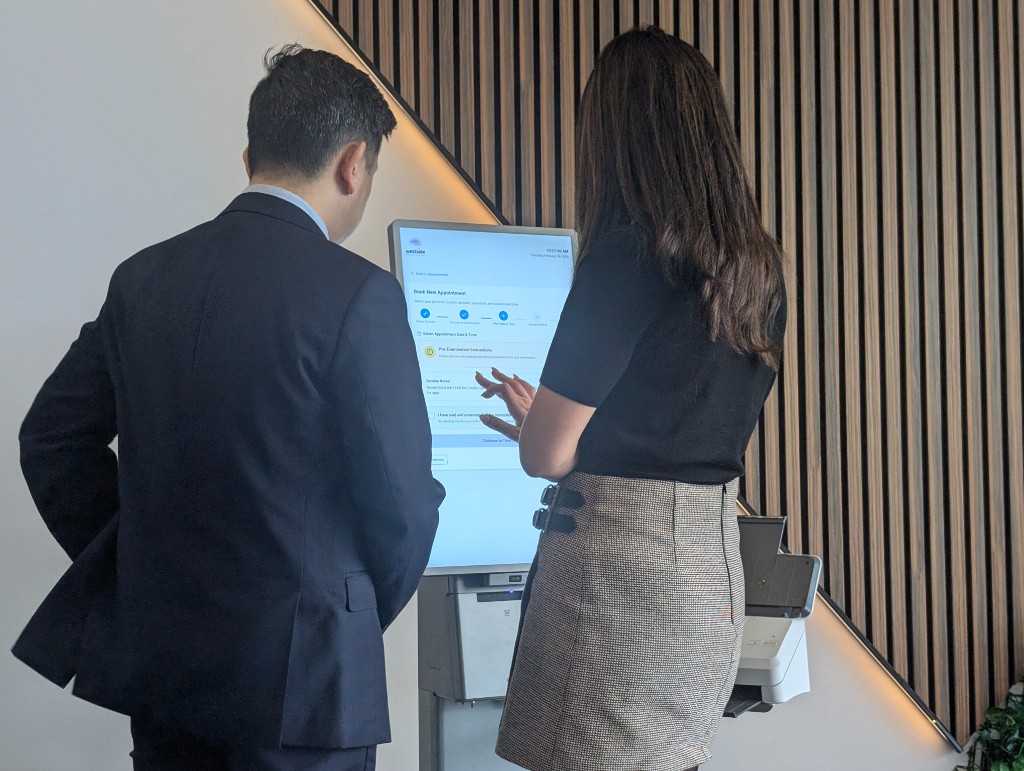
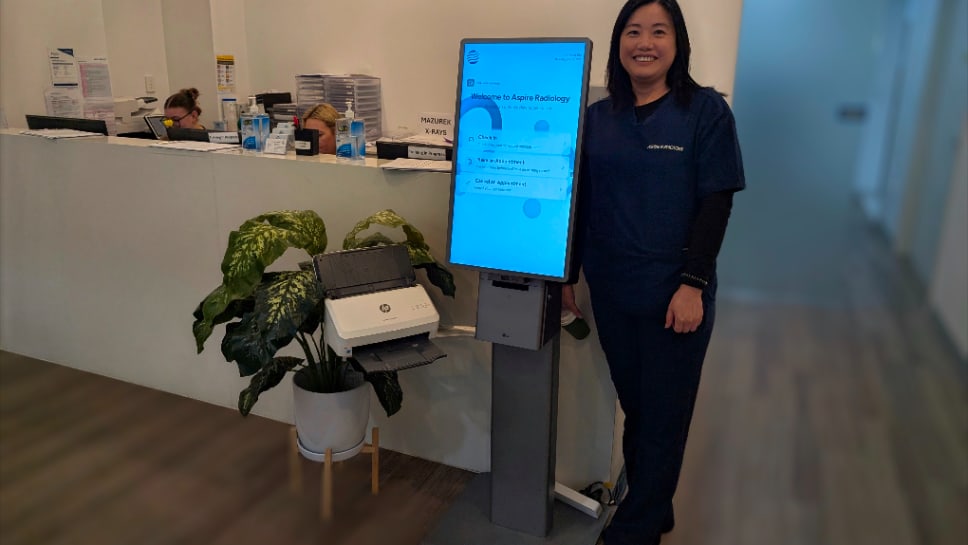
Yes. That is Smart Kiosk, covered in the healthcare section on this page. It is Trucell’s patient check-in solution for imaging and specialist practices, integrated with your RIS and clinical systems, and it is a distinct product from the retail RapidKiosk platform above. Both are delivered and supported by Trucell as one accountable owner, so you can talk to the same team whether you run a store floor or a waiting room.
What problem does Smart Kiosk solve for our practice?
It moves routine registration, check in, referral capture, and Medicare validation into a controlled self service flow so front desk teams handle exceptions and patient interaction instead of repetitive data entry: and so cleaner data reaches your RIS and billing paths.
Is Smart Kiosk only check in at a screen, or a wider arrival workflow?
We position it as part of end to end patient arrival: pacing and clarity from entry, fair queue behaviour under load, assisted paths for patients who cannot self serve, reception focused on judgement work, and handoff cues for clinical teams. The device is one component inside that design.
How do you handle privacy and accessibility in open waiting areas?
Scoping covers screen orientation and timeout, what appears on display, staff assist alternatives, inclusive touch and language options where agreed, and physical placement so PHI is less exposed to shoulder surfing. Exact controls depend on your policies and vendor capabilities.
What support is included after go live?
Trucell aligns rollout support with your managed IT model: hypercare during pilot, documented escalation for kiosk versus application versus network issues, and ongoing pathways tied to the same service desk and change cadence you use elsewhere: not a one off handover with unclear ownership.
Which systems does Smart Kiosk integrate with?
Integration is RIS centric: scheduling and patient context, validated demographics, referral details, and controlled write back per vendor capabilities. Where your practice uses adjacent clinic or GP feeds that affect the same episode, we scope boundaries and responsibilities with your RIS revision, identity stack, and billing rules before committing to deployment plans.
How are kiosks monitored and who fixes them when they break?
Trucell aligns monitoring and break fix with your MSP model: offline and health signals where in scope, tickets into the same ITSM path you use for other endpoints, and clear split between hardware vendor, application, and network ownership so reception gets a single place to escalate.
Why use Trucell instead of ordering kiosks directly?
Hardware is the easy part. Trucell delivers healthcare IT integration discipline, Australian billing and governance context, and one accountable thread with your managed support, security, and network estate: so the kiosk works in production, not only in a demo environment.